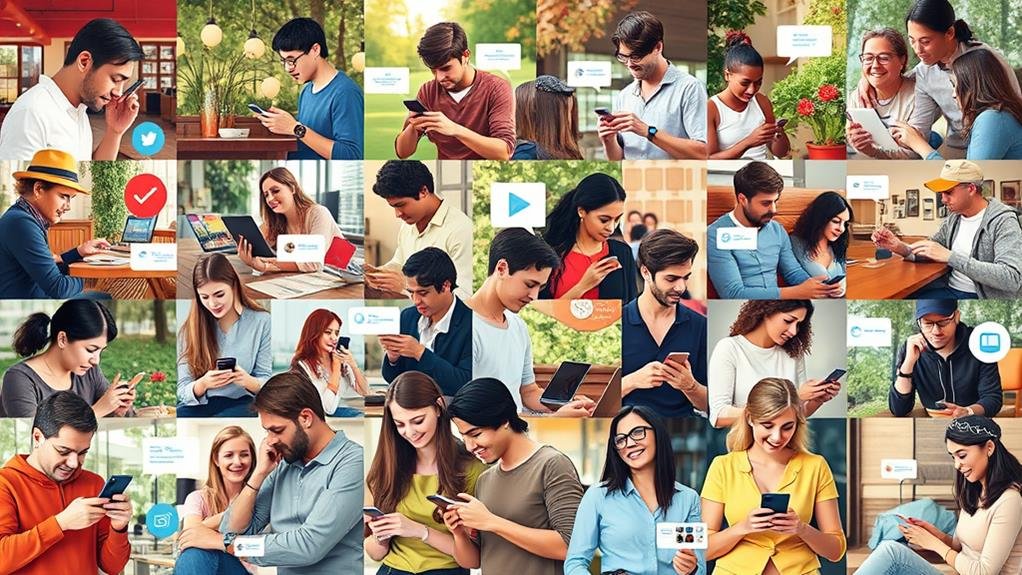

The Always-On Consumer Revolution transforms brand-consumer interactions, mandating brands to provide instantaneous, relevant, and accessible engagement. Today’s consumers, leave extensive digital footprints and prefer seamless experiences across platforms. Their profiles vary, with segments like the Social Butterfly, who rely on social media, and the Gamer, who is influenced by mobile ads and peers. Effective marketing now hinges on content personalization and multi-channel strategies that meet consumers where they are. Brands that optimize digital experiences will capture attention and foster loyalty. Uncover additional insights to better navigate this evolving landscape and enhance your engagement strategies.
Understanding Always-On Consumer Behavior
Understanding the always-on consumer’s behavior is vital for businesses aiming to thrive in today’s digital landscape. These consumers leave extensive digital footprints, influencing their expectations considerably.
With the availability of information at their fingertips, they expect brands to be responsive, relevant, and accessible 24/7. This has led to a surge in video-centric marketing, which caters to their preference for engaging content.
The shift from traditional marketing to online engagement means companies must adapt to rapidly changing consumer needs and preferences. This involves leveraging insights gathered from online interactions to personalize marketing strategies effectively.
To meet heightened consumer expectations, businesses should prioritize seamless experiences across all digital platforms, ensuring that they are not only present but also engaging in meaningful ways.
Ultimately, understanding these dynamics is vital for fostering lasting relationships with always-on consumers.
Profiles of Always-On Consumers
Many consumers today can be categorized into distinct profiles based on their online behaviors and preferences, each representing a unique segment within the always-on landscape.
Among these, the Social Butterfly profile, mainly female and aged 18-34, relies heavily on social media for purchase decisions, often sharing reviews and recommendations. This demographic is particularly influenced by micro-influencers who offer relatable content and foster strong connections within their communities.
In contrast, the Gamer profile, primarily male and aged 18-24, engages less with traditional media but shows responsiveness to mobile advertising and peer influence.
Understanding these profiles enables brands to tailor their marketing strategies effectively. By leveraging insights from these distinct consumer types, businesses can enhance engagement, foster loyalty, and ultimately drive conversions in a highly connected marketplace.

Effective Marketing Approaches
Recognizing the distinct profiles of always-on consumers, businesses can develop targeted marketing approaches that resonate with each segment’s unique preferences and behaviors.
Effective strategies include content personalization, which tailors messaging and offers based on individual consumer data, fostering deeper connections and enhancing engagement. Utilizing tools like affiliate program management tools can also help streamline the process of understanding consumer needs.
Additionally, businesses should prioritize multi-channel engagement, ensuring consistent and relevant interactions across various platforms, from social media to mobile apps. This approach allows brands to meet consumers where they are, accommodating their dynamic browsing habits.

Role of Social Media
Social media has emerged as a pivotal force in shaping consumer behavior, fundamentally altering the way brands connect with their audiences. The profound social media influence facilitates real-time interactions, allowing consumers to share experiences and seek peer recommendations.
This dynamic environment fosters brand loyalty, as engaged consumers are more likely to advocate for brands they feel connected to. Companies must prioritize authentic engagement, responding to customer inquiries and feedback promptly.
By creating interactive content that resonates with target demographics, brands can enhance their visibility and strengthen relationships. Additionally, leveraging social media analytics allows businesses to refine their strategies, ensuring they meet ever-evolving consumer needs.
Ultimately, a robust social media strategy is essential for cultivating lasting brand loyalty in today’s always-on consumer landscape.
Optimizing Digital Experiences

In today’s fast-paced digital landscape, optimizing online experiences is essential for brands aiming to capture the attention of always-on consumers. Key to this optimization is enhancing website usability and ensuring effective mobile design.
Websites must be intuitive, allowing consumers to navigate easily and find information quickly, thereby decreasing bounce rates. Given that a considerable portion of users engage via mobile devices, brands should prioritize responsive design, ensuring content is accessible and visually appealing across all screens.
Additionally, implementing fast-loading pages and clear calls-to-action can greatly improve user engagement. By focusing on these elements, brands can create seamless digital experiences that resonate with consumers, fostering loyalty and driving conversions in an increasingly competitive environment.
Frequently Asked Questions
How Do Always-On Consumers Differ From Traditional Consumers?
Always-on consumers exhibit distinct digital habits, influencing their purchase patterns and engagement expectations. Their decision-making processes rely heavily on content consumption and peer feedback loops, fostering brand loyalty within shorter attention spans compared to traditional consumers.
What Tools Can Businesses Use to Analyze Consumer Behavior?
In a world where consumers are always online, businesses can harness data analytics, consumer insights, and behavioral segmentation through market research, engagement metrics, and trend analysis to effectively understand and engage their ever-evolving audience.
How Can Brands Measure Social Media Engagement Effectively?
Brands can measure social media engagement effectively by analyzing engagement metrics, audience sentiment, and influencer impact. Implementing real-time analysis and platform insights enhances content strategy, ensuring campaign effectiveness and fostering brand loyalty through meaningful interactions.
What Are the Risks of Ignoring Always-On Consumer Trends?
Ignoring always-on consumer trends risks failing to meet evolving consumer expectations, jeopardizing brand loyalty and market adaptation. This oversight can lead to a significant competitive disadvantage, undermining a brand’s relevance in today’s dynamic marketplace.
How Can Businesses Maintain Customer Relationships Over Time?
To keep the ball rolling, businesses must prioritize relationship management by fostering customer loyalty through personalized engagement, consistent communication, and exceptional service. This approach guarantees lasting connections that encourage repeat business and brand advocacy over time.
